The Fed Raised Interest Rates: What It Means for Greater Lafayette Home Buyers and Sellers
By Stacy Grove
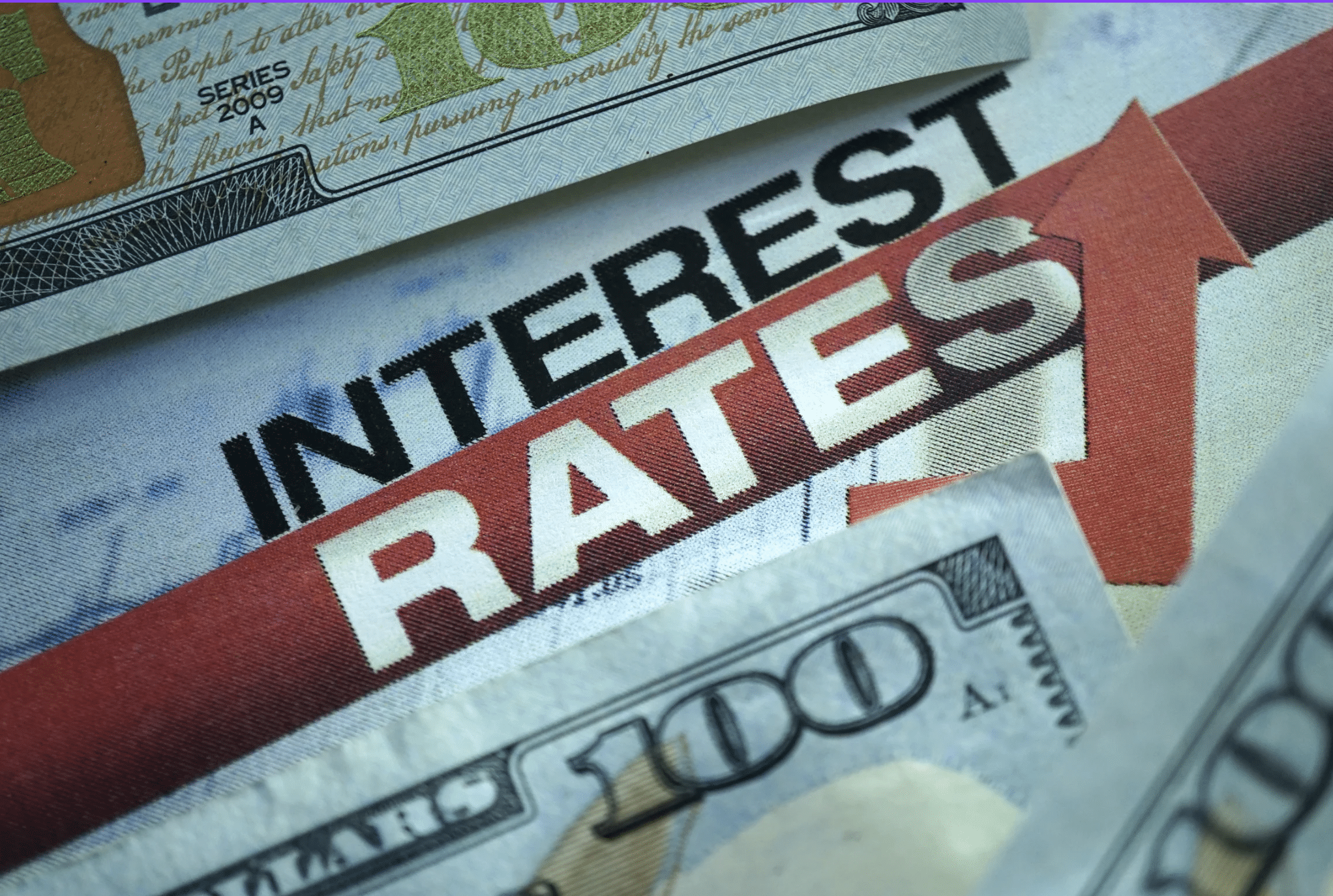
If you saw the headlines today that the Federal Reserve raised interest rates again, you may be wondering what that means for mortgage rates, the housing market and, most importantly, your plans to buy or sell a home.
First, an important distinction: the Fed does not set mortgage rates.
Today, the Federal Reserve raised its benchmark federal funds rate by 0.25 percentage points, as inflation remains elevated amid continued economic and geopolitical uncertainty.
Mortgage rates and the Fed’s rate tend to be influenced by some of the same economic forces, but they aren’t directly tied together. And because financial markets typically anticipate what the Fed is going to do before an official announcement, mortgage lenders often adjust rates well in advance, which is exactly what we’ve been seeing.
So today’s Fed announcement doesn’t necessarily mean mortgage rates suddenly jump tomorrow. Much of that expectation was already baked into the market.
But there’s a bigger question: What does all of this mean if you’re thinking about moving?
If You’re Selling
Higher mortgage rates affect affordability, and affordability affects demand. Buyers become more cautious about what they’re willing, and able, to spend.
That doesn’t mean homes aren’t selling.
It does mean the days of putting nearly any price on a house and expecting multiple offers immediately are behind us.
For sellers, the fundamentals matter again: price it correctly from the beginning, make it show well, and be patient.
Home values are still significantly higher than they were several years ago, so many Greater Lafayette homeowners are sitting on substantial equity. But today’s buyers are paying attention to value. Sellers need to do the same.
If You’re Buying a Home
This is where I think the conversation gets more interesting.
I understand why buyers look at today’s mortgage rates and think they might just wait.
But waiting for a lower rate isn’t automatically the better financial decision.
Higher rates have cooled some of the competition we became accustomed to in the housing market. That can mean more choices, more negotiating power, and sometimes a better opportunity to buy the right house without competing against a dozen other buyers.
And there’s another piece of the equation that’s easy to overlook: the interest rate isn’t the only number that matters. The price you pay for the house matters, too.
If mortgage rates eventually decline, buyers may come back into the market quickly. More demand can mean more competition and upward pressure on home prices.
That’s why I think more about whether a house and its monthly payment make sense for you today than how we can perfectly time interest rates.
If you buy a home you love at a price you can comfortably afford, you may have the opportunity to refinance later if rates improve, but you can’t change the purchase price later.
So, Should You Buy Now or Wait?
There’s no one-size-fits-all answer.
If today’s payment stretches your budget too far, waiting may absolutely make sense. I would never encourage you buy a home you can’t comfortably afford.
But if you can afford the payment, you’re planning to stay in the home for a while, and you’ve found the right property, today’s higher-rate environment may offer opportunities that weren’t available when rates were lower and competition was fierce.
Don’t make a real estate decision based solely on a Fed headline.
Look at the whole picture: the price, payment, your timeline, your equity, the local market and what you’re actually trying to accomplish.
If you’re wondering what today’s rates and our current Greater Lafayette real estate market mean for your specific situation, reach out. We’ll run the numbers with you and help you decide whether moving now, or waiting, makes the most sense for your goals.